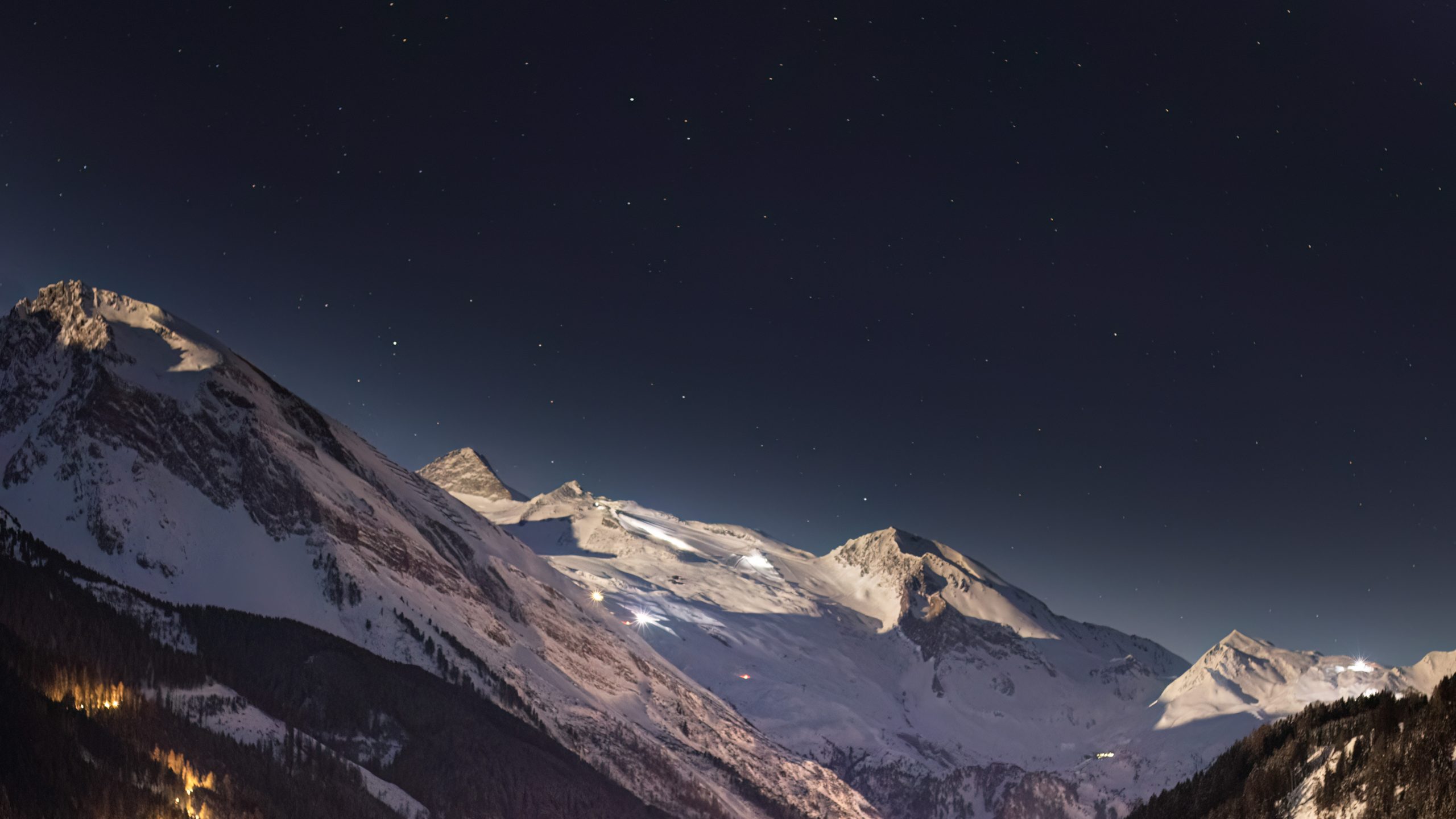
Astrophotography in Austria
Austria · Tyrol · Zillertal · Tux valley
Images of the night sky from Tux in the Zillertal – one of the darkest Alpine valleys in Tyrol, under a Bortle 3 sky with a view of the Hintertux Glacier. Galaxies, nebulae, supernova remnants, Sun and Moon, straight from here.
The location
Light pollution keeps rising across Central Europe – the Alps are one of the last places where the night sky still turns truly dark. The rear Zillertal lies sheltered between the Zillertal and Tux Alps: clear, calm nights and little stray light from below.
The Milky Way on the Bortle scale
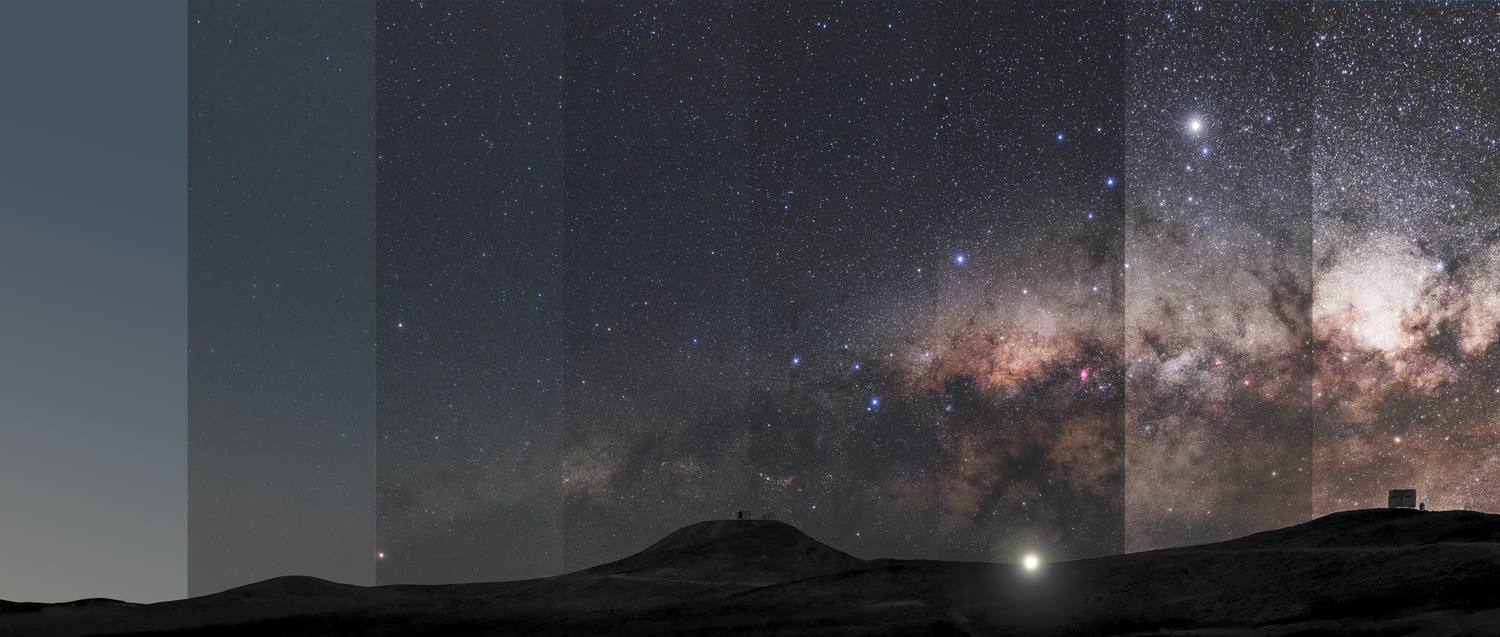
The darker the sky (a low Bortle number), the brighter the Milky Way shines – at Bortle 8/9 it vanishes in the city glow. Here in the Tux valley (Bortle 3) it is easy to see with the naked eye.
Photo: ESO/P. Horálek, M. Wallner · CC BY 4.0
Live from the location
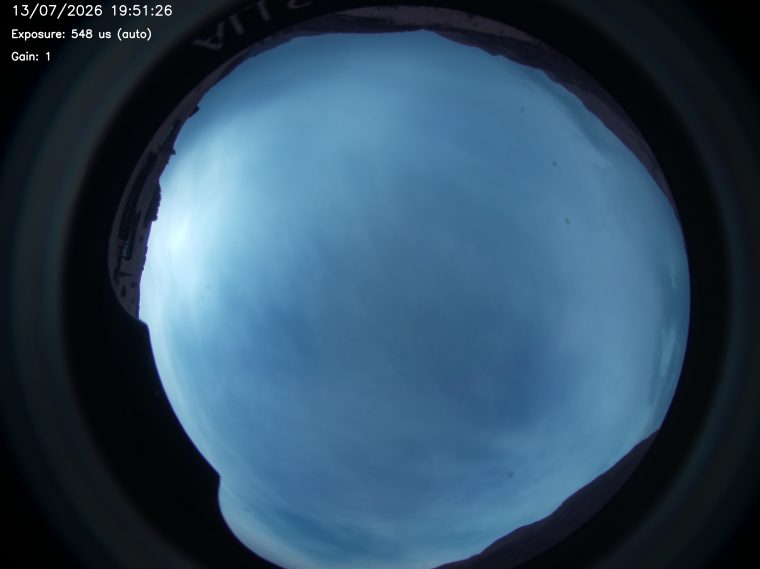
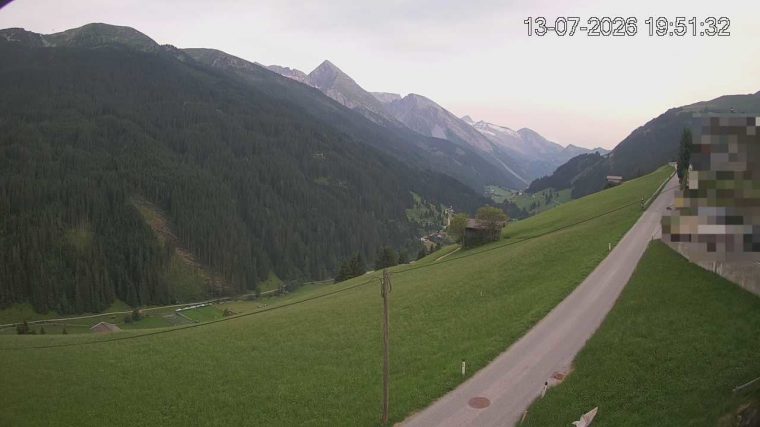
The sky over Tux, around the clock – two cameras straight from the location plus the seeing forecast for the coming nights.
Images from here
A small selection – captured in the Tux valley. You'll find the full archive in the portfolio.

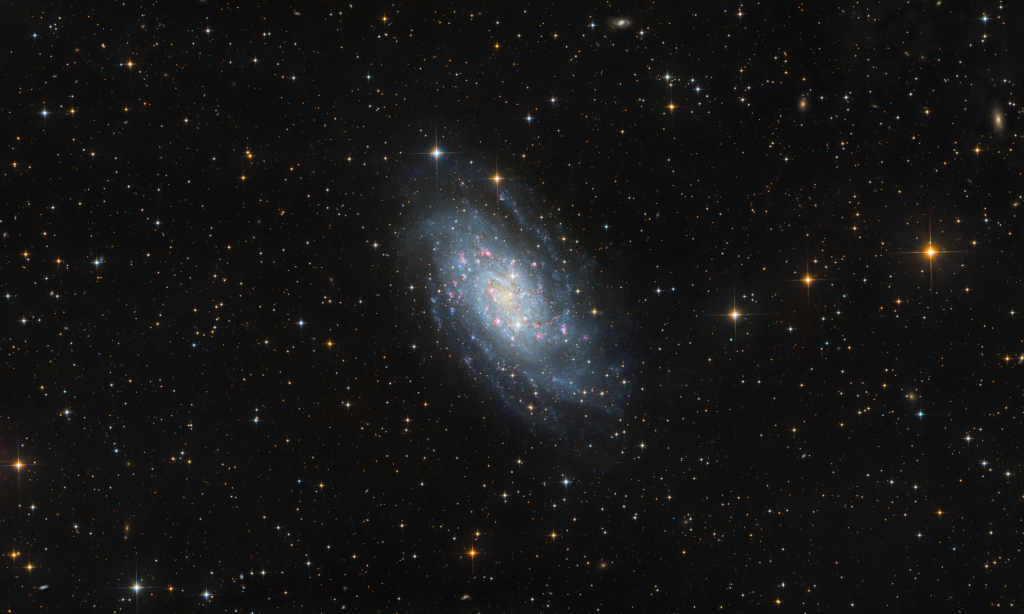
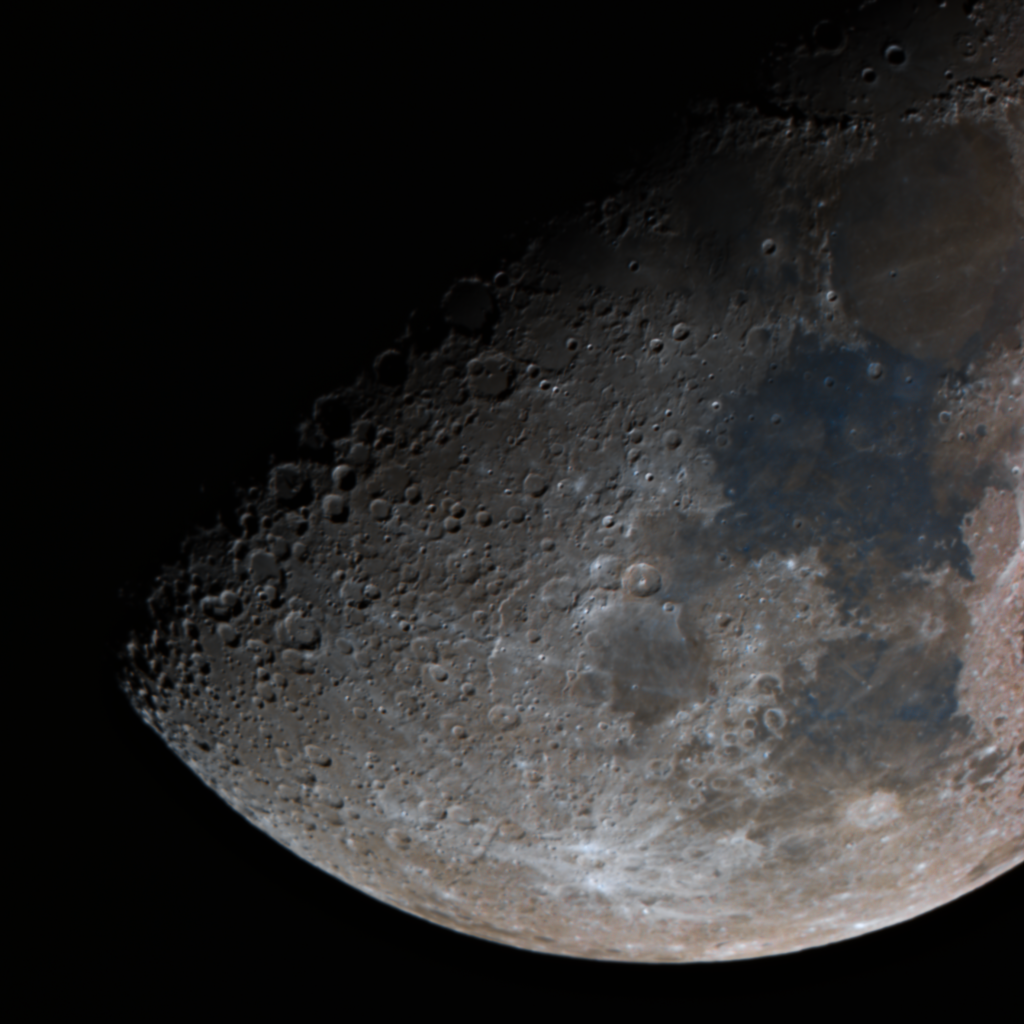

Experience the night sky
The Zillertal and the Tux valley are among the most beautiful places in Austria to experience the night sky – clear mountain air, little stray light, a wide view across the Alps. Ideal around new moon, whether for photography or simply to marvel.
Haus Edelweiss holiday apartment
A holiday under the Tux night sky – the webcam looks toward the glacier straight from here.
edelweiss-tux.atFrequently asked questions
Where can you photograph the night sky in Austria?
Best of all in the dark Alpine valleys. The Zillertal and Tux Alps in Tyrol are among the darkest regions in Austria – my location in the Tux valley is one of them.
How dark is the sky in the Zillertal / Tux valley?
Very dark thanks to the valley setting and surrounding mountains – Bortle 3 (SQM 21.79 mag/″²). You can check the current conditions on the weather page.
When is the best time for astrophotography in Tyrol?
Clear, moonless nights with calm air. Whether it fits right now is shown by the Seeing forecast and, live, the Allsky camera.
Can I watch the sky over Tux live?
Yes – the Allsky camera shows the entire sky over the Tux valley around the clock.
What does the Bortle scale mean?
It describes how dark the night sky is – from 1 (perfectly dark, Milky Way brightly visible) to 9 (bright city sky). The lower the value, the more stars and detail are visible.
Can you photograph the Milky Way in the Zillertal?
Yes – thanks to the dark valley setting, the Milky Way is clearly visible and photographable over the Tux valley, best on moonless nights from early summer to autumn.
What equipment do you use for astrophotography?
Telescopes, cooled astro cameras, mount and filters – you'll find all the details on the equipment page.
When is the Milky Way best seen in Tyrol?
The bright core of the Milky Way stands above the Alps here from roughly late May into early autumn – so early summer to autumn, ideal on dark, moonless nights.